4.9/5.0 stars on G2 | Trusted by 8.000+ companies
Implementeer regelgevende frameworks met coompliance blueprints
Zet complexe regelgeving om in gestructureerde, operationele governancesystemen zonder giswerk. Centraliseer risico's, beleid en bewijsmateriaal in één platform met kant-en-klare Blueprints voor compliance.
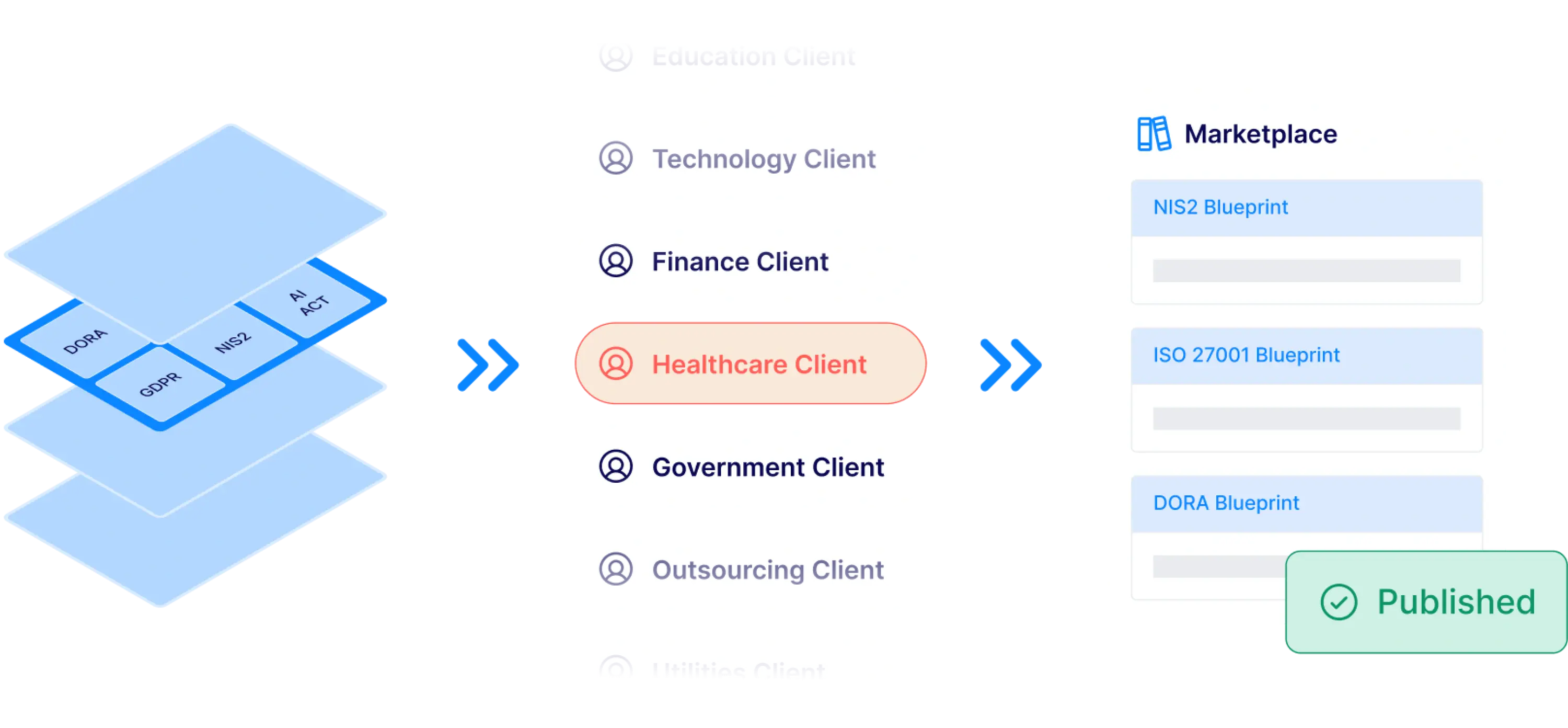
-
Vooraf gedefinieerde governance-blueprint afgestemd op het framework
-
Koppel frameworks en risico's naadloos aan operationele inventarissen
-
Integreer governance in de dagelijkse bedrijfsprocessen
-
Beheer meerdere regelgevingen tegelijk in één systeem
Ontworpen voor leidinggevenden op het gebied van governance en risico
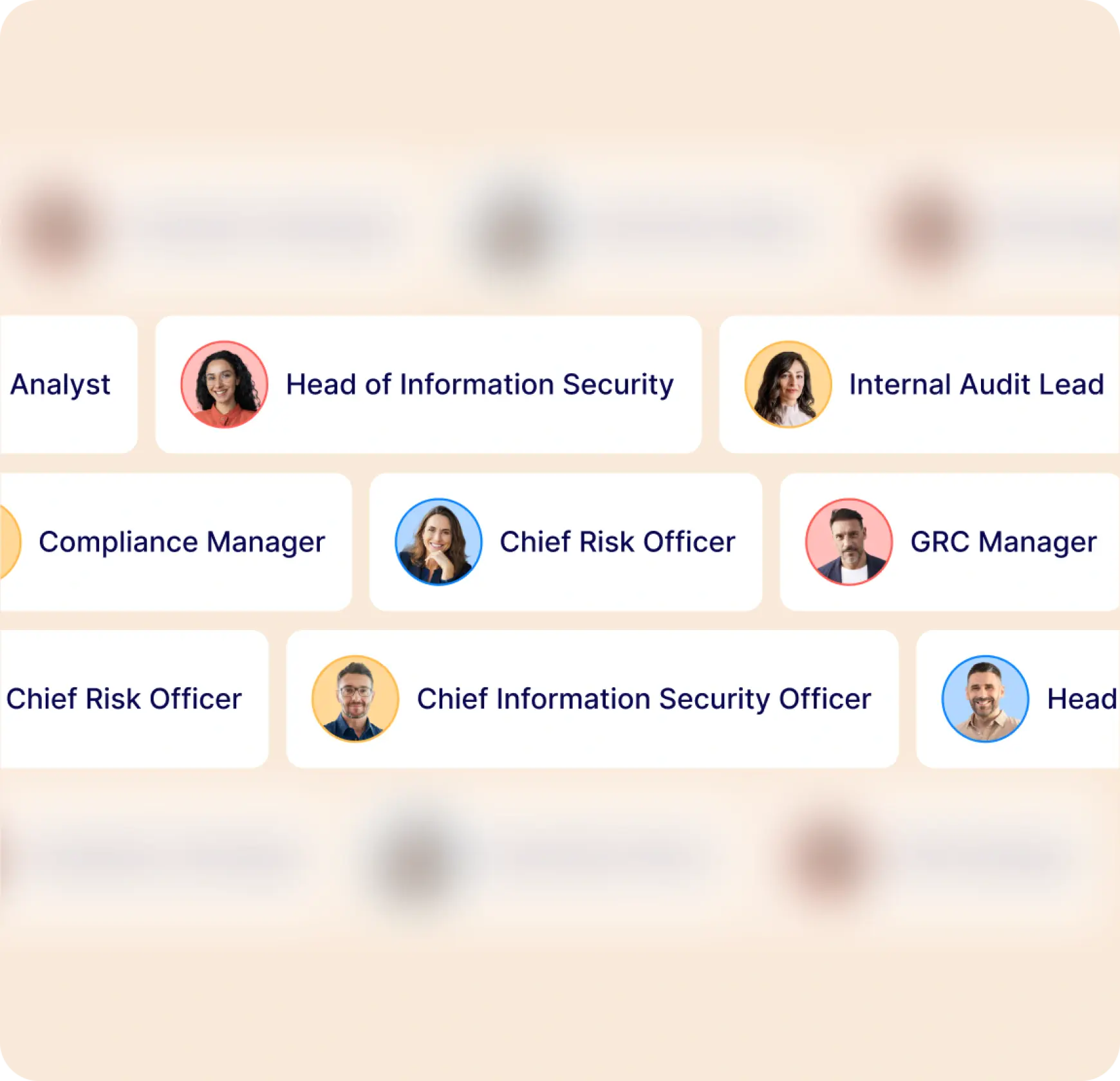
Compliance Blueprints zijn ontwikkeld voor teams die verantwoordelijk zijn voor de implementatie van wettelijke vereisten en het handhaven van gestructureerd toezicht, ongeacht of uw team uit één persoon of meerdere personen bestaat.
Typische functies zijn onder andere:
-
Chief Risk Officers (CRO's)
-
Chief Information Security Officers (CISO's)
-
Hoofden informatiebeveiliging
-
GRC- en compliancemanagers
-
Leidinggevenden van de interne auditafdeling verantwoordelijk voor het toezicht op de regelgeving
Met een direct bruikbare basis kunnen teams de naleving van de regels implementeren, beheren en aantonen in één systeem – klaar voor audits.
In de Compliance Blueprint
Compliance Blueprints zetten wettelijke vereisten om in gestructureerde governance-elementen die organisaties direct kunnen implementeren.
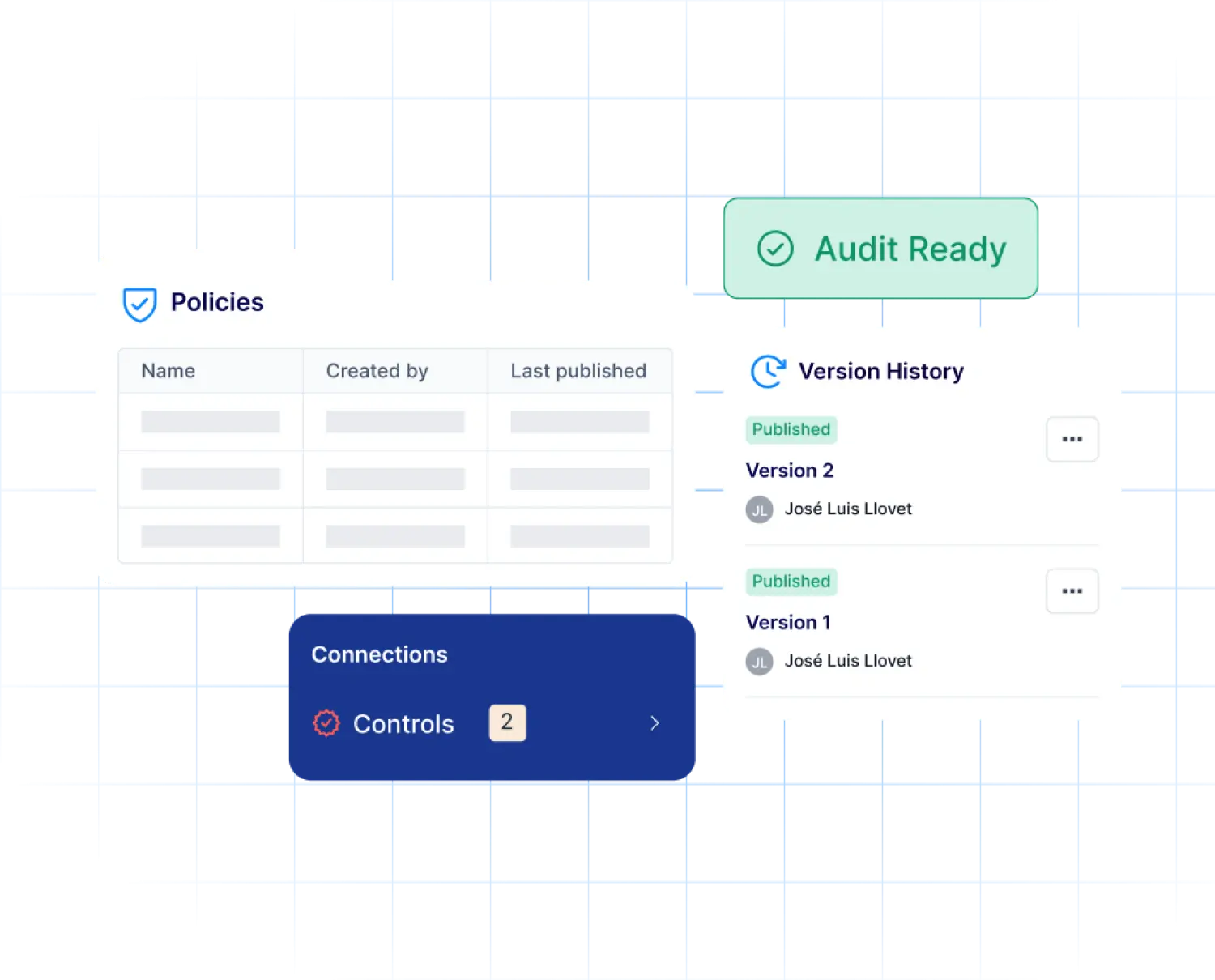
Gestructureerd governancebeleid dat is afgestemd op de verwachtingen van regelgevende instanties helpt organisaties bij het definiëren van duidelijke verantwoordelijkheden, principes en governancevereisten.
Beleid vormt de basis van het governance-model en zorgt ervoor dat wettelijke verplichtingen worden vertaald in duidelijke organisatorische regels en verantwoordingsstructuren.
Deze governanceprincipes zijn gekoppeld aan operationele activiteiten, controles en risicobeheerprocessen binnen het platform.
Operationele taken vertalen governancevereisten naar concrete acties die binnen de hele organisatie worden uitgevoerd.
Deze taken kunnen terugkerende governance-activiteiten zijn, zoals:
-
Risicobeoordelingen
-
Interne controlebeoordelingen
-
Toezicht op leveranciers
-
Rapportage van incidenten
-
Compliance checks
Door deze activiteiten binnen het platform te structureren, zorgen organisaties ervoor dat governancetaken continu worden uitgevoerd in plaats van eenmalig gedocumenteerd.
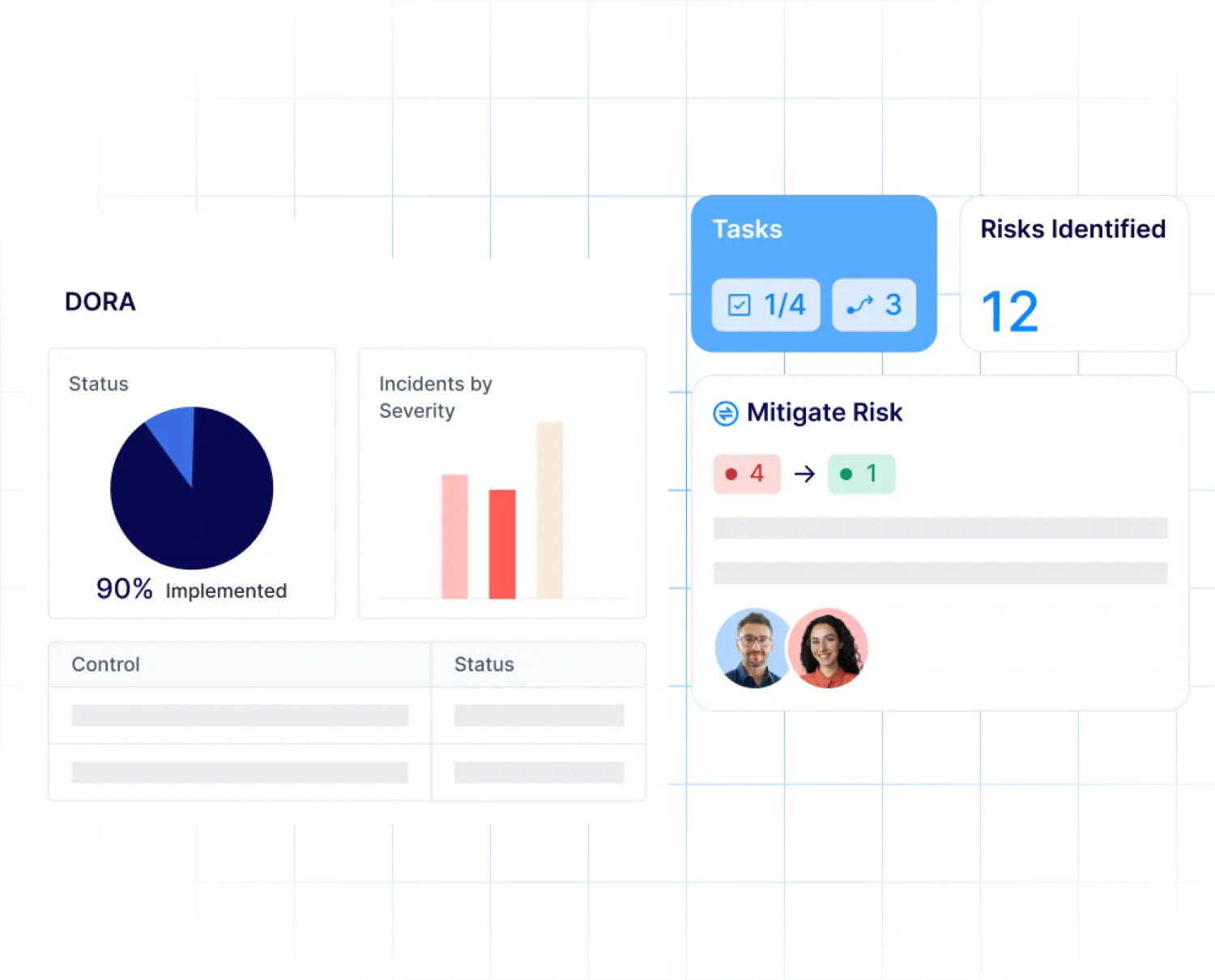
De blueprint bevat een gestructureerd controle-framework dat is afgestemd op de verwachtingen van regelgevende instanties.
Controlemaatregelen definiëren hoe aan de nalevingseisen te voldoen en de risico's te beperken.
Elke controle kan worden gekoppeld aan:
-
Governance beleid
-
Operationele taken
-
Risico's en risicobeperkende strategieën
-
Auditbewijs
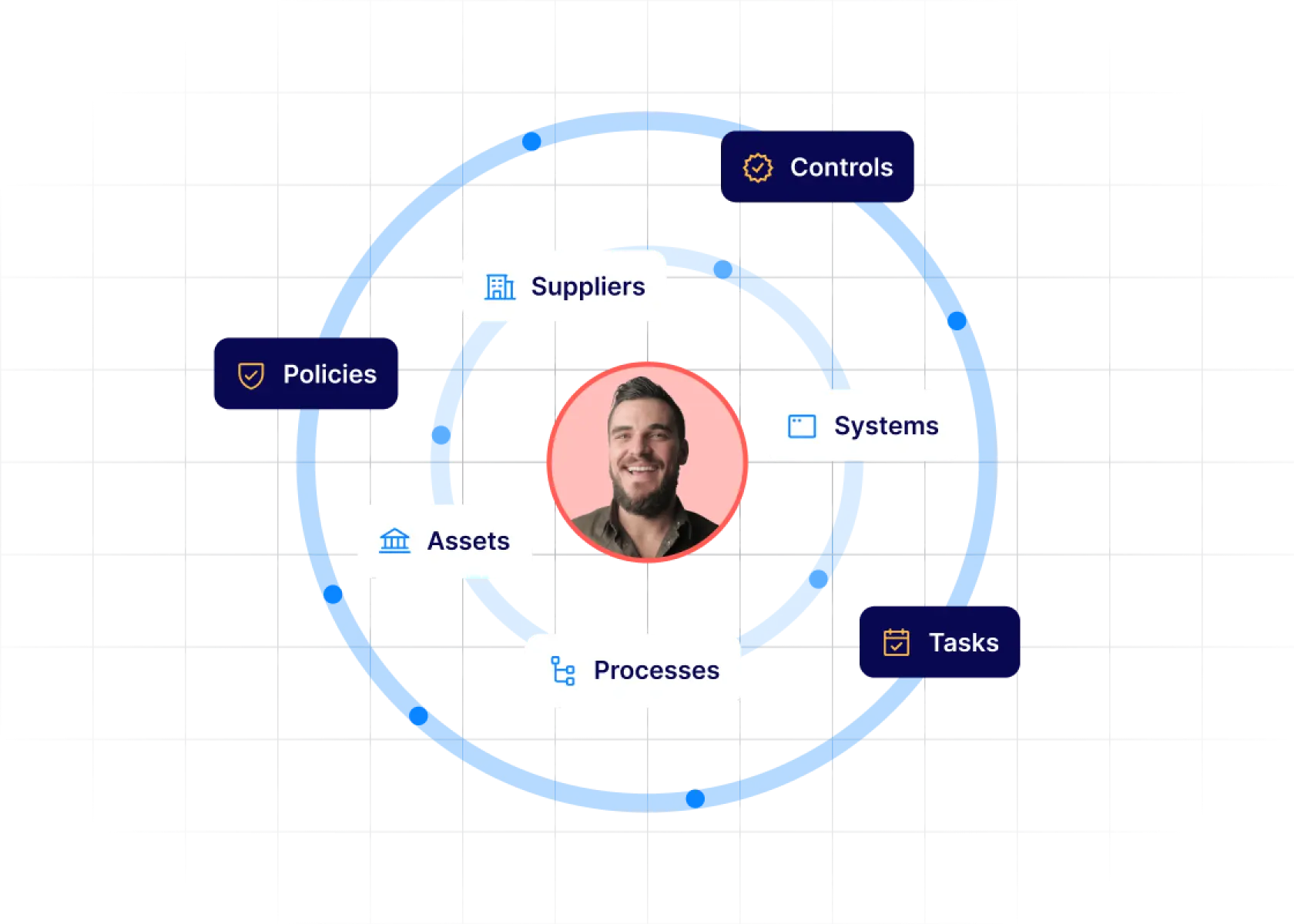
Controles kunnen ook worden gekoppeld aan operationele inventarissen zoals systemen, leveranciers of bedrijfsprocessen, zodat governancemaatregelen de werkelijke operationele omgeving van de organisatie weerspiegelen.
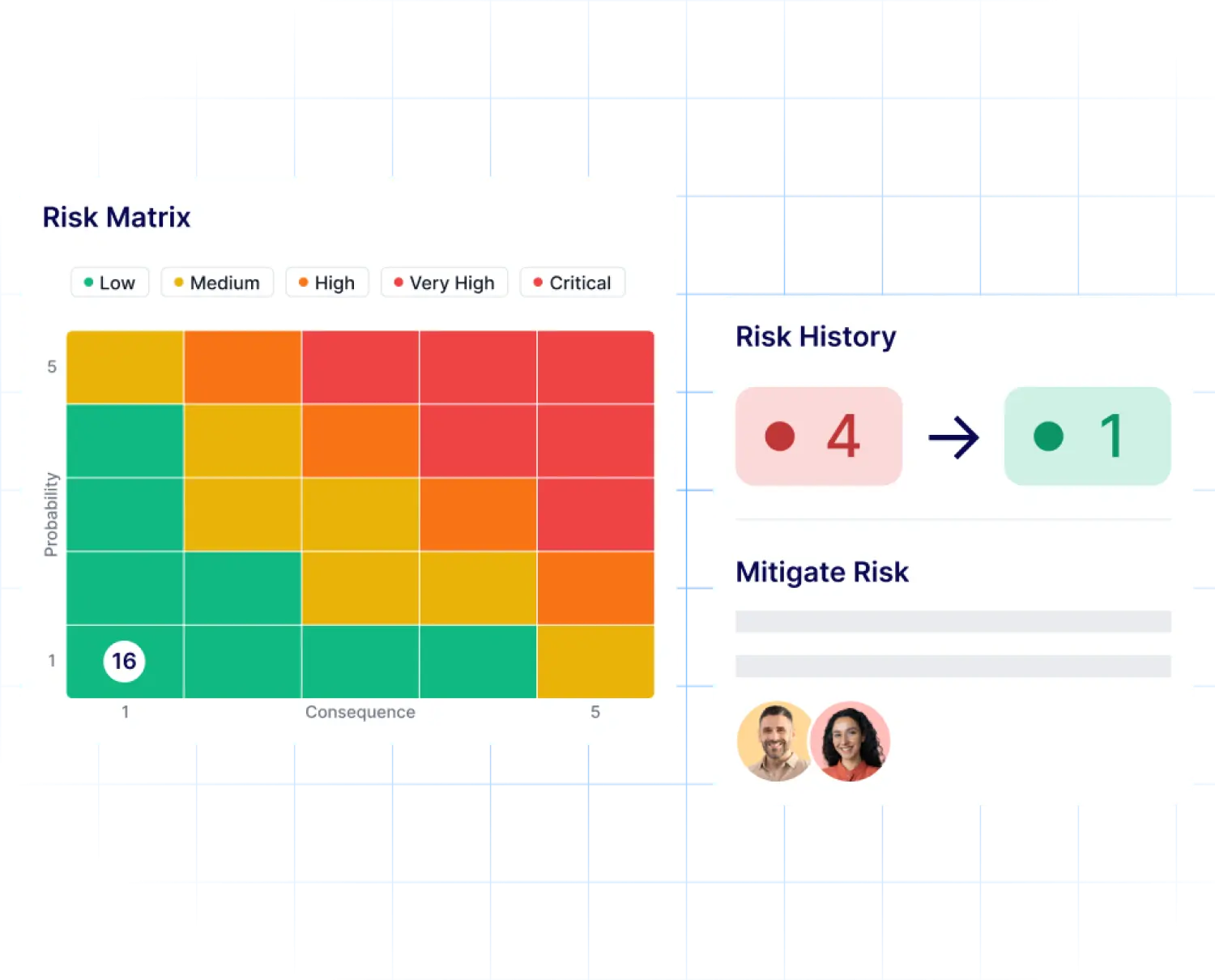
Voorbeeldrisicoscenario's stellen organisaties in staat om interne risicoregisters te structureren op een manier die bij hun organisatie past, zodat ze governancecontroles kunnen koppelen aan echte operationele blootstelling.
Deze risico's kunnen worden beoordeeld met behulp van configureerbare risicoscoringsmodellen en risicomatrices, zodat organisaties kunnen evalueren:
-
Inherent risico
-
Resterend risico
-
Potentiële impact
Risico's zijn direct gekoppeld aan controles en risicobeperkende activiteiten, zodat organisaties kunnen volgen hoe governance-acties het risicoprofiel van de organisatie in de loop van de tijd beïnvloeden.
Dashboards en rapporten bieden het management duidelijke informatie.
Waarom governance-teams kiezen voor Compliance Blueprints
Zet wettelijke vereisten om in operationele governance
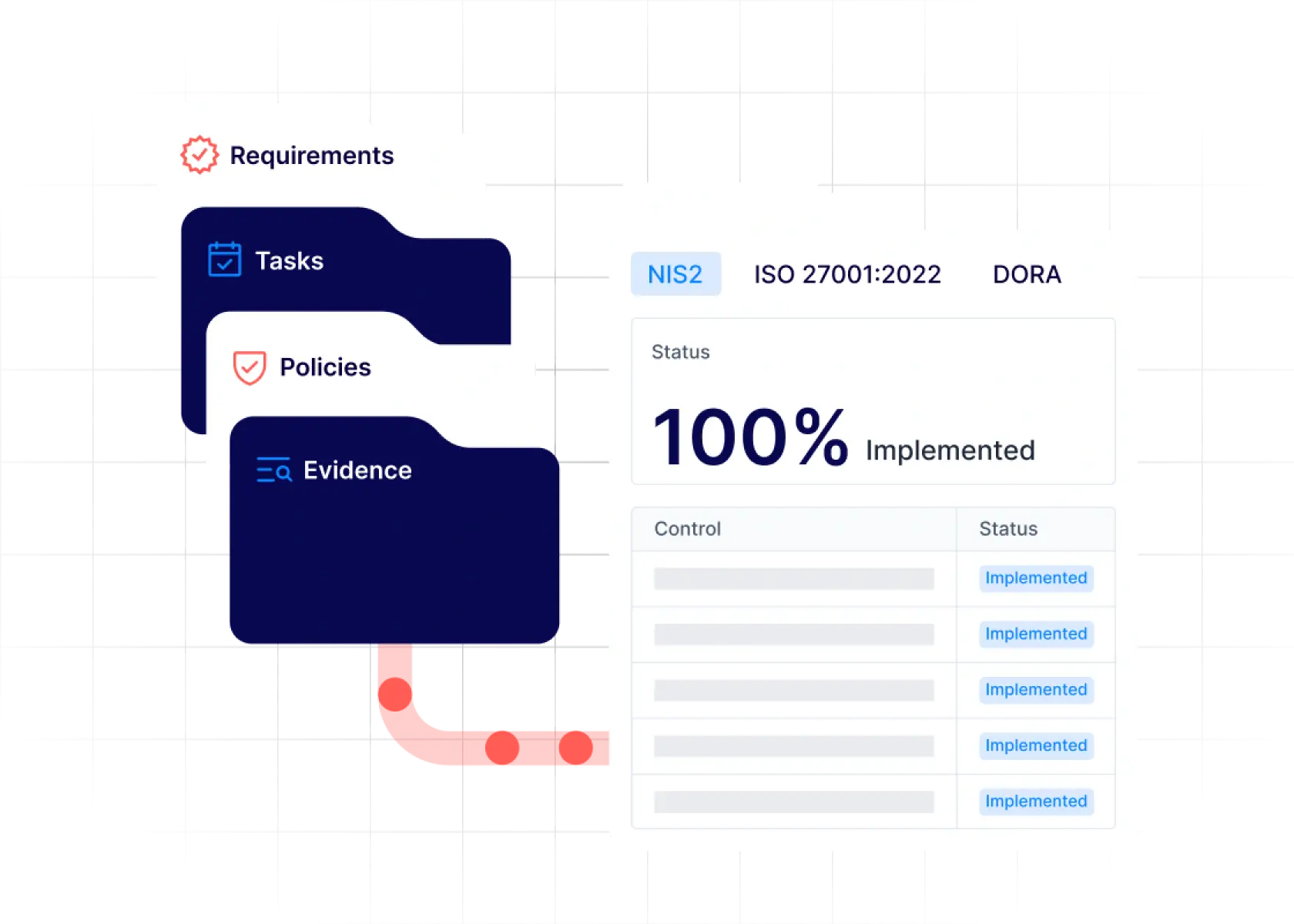
Veel organisaties worstelen met het vertalen van regelgevingsframeworks naar praktische bestuursprocessen.
Formalize lost dit op door wettelijke vereisten om te zetten in een gestructureerd governance-model waarin controles, taken, beleid, operationele inventarissen en bewijsmateriaal met elkaar verbonden zijn binnen één platform.
Dit stelt organisaties in staat om over te stappen van handmatige interpretatie van regelgeving naar gestructureerde implementatie van governance.
Governance ingebed in operationele realiteit
Compliance frameworks worden alleen duurzaam als de governance activiteiten verbonden zijn met de operationele omgeving van de organisatie.
Formalize stelt organisaties in staat om bestuursstructuren direct te koppelen aan operationele kerninventarisaties, zoals:
-
Systemen en toepassingen
-
Leveranciers en derden
-
Bedrijfsactiva
-
Bedrijfsprocessen
Beheer meerdere frameworks zonder dubbel werk te verrichten.
De meeste organisaties moeten aan meerdere regelgevingen tegelijk voldoen.
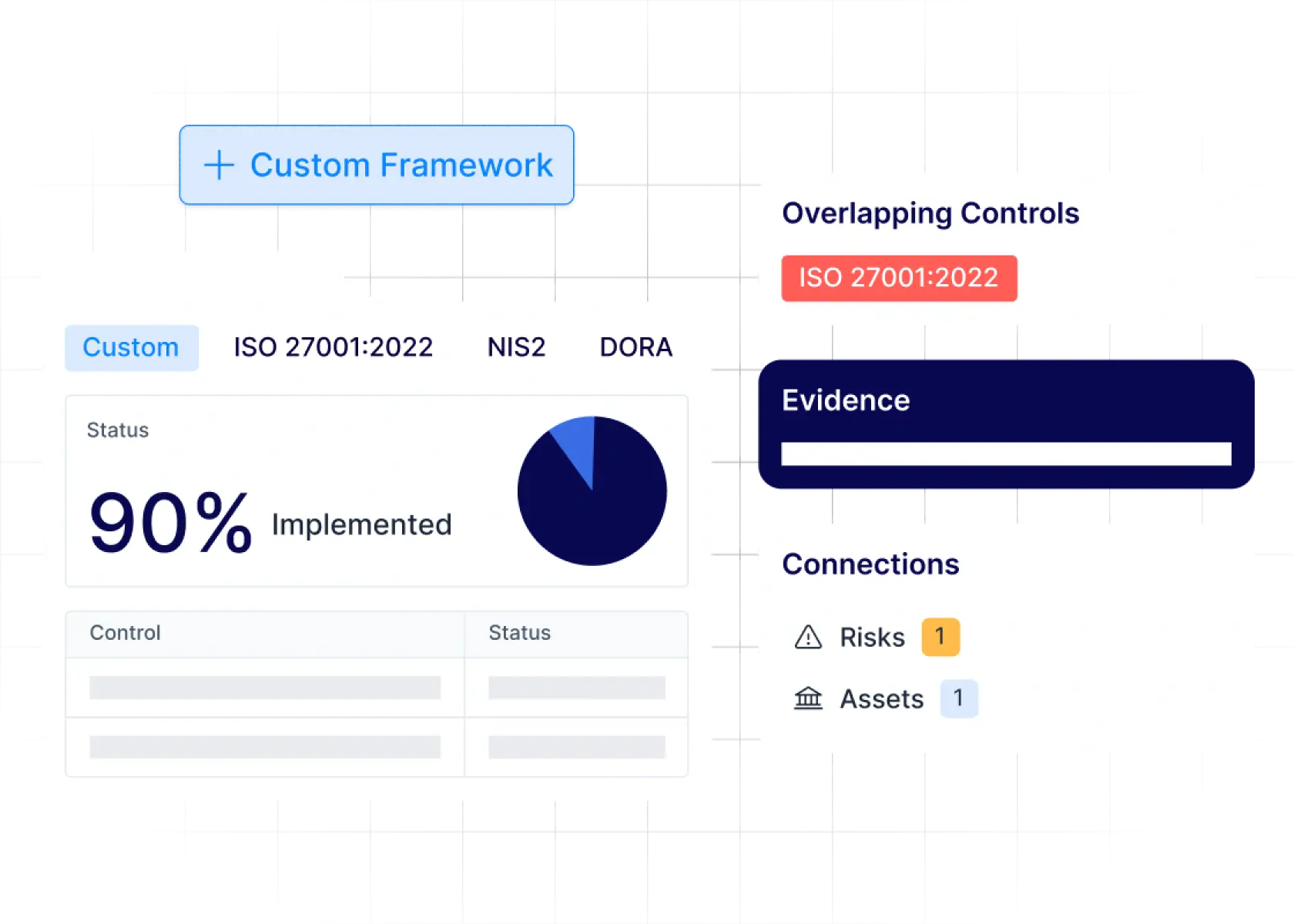
Formalize biedt een governance gegevensarchitectuur waarmee controles, risico's en bewijzen binnen verschillende frameworks kunnen worden hergebruikt.
Dit stelt organisaties in staat om meerdere wettelijke vereisten te beheren zonder dubbele governancestructuren te handhaven.
Controles die zijn geïmplementeerd voor ISO 27001 kunnen bijvoorbeeld ook vereisten van NIS 2 of DORA ondersteunen, waardoor dubbel werk wordt verminderd en de consistentie van de governance wordt verbeterd.
Voortdurende compliance en auditgereedheid handhaven
Compliance is geen eenmalig project.
Formalisering stelt organisaties in staat om continu toezicht op de governance te houden door middel van:
-
Taken volgen
-
Governance-workflows
-
Beheer van bewijsmateriaal
-
Activiteitenlogboeken en audittrails
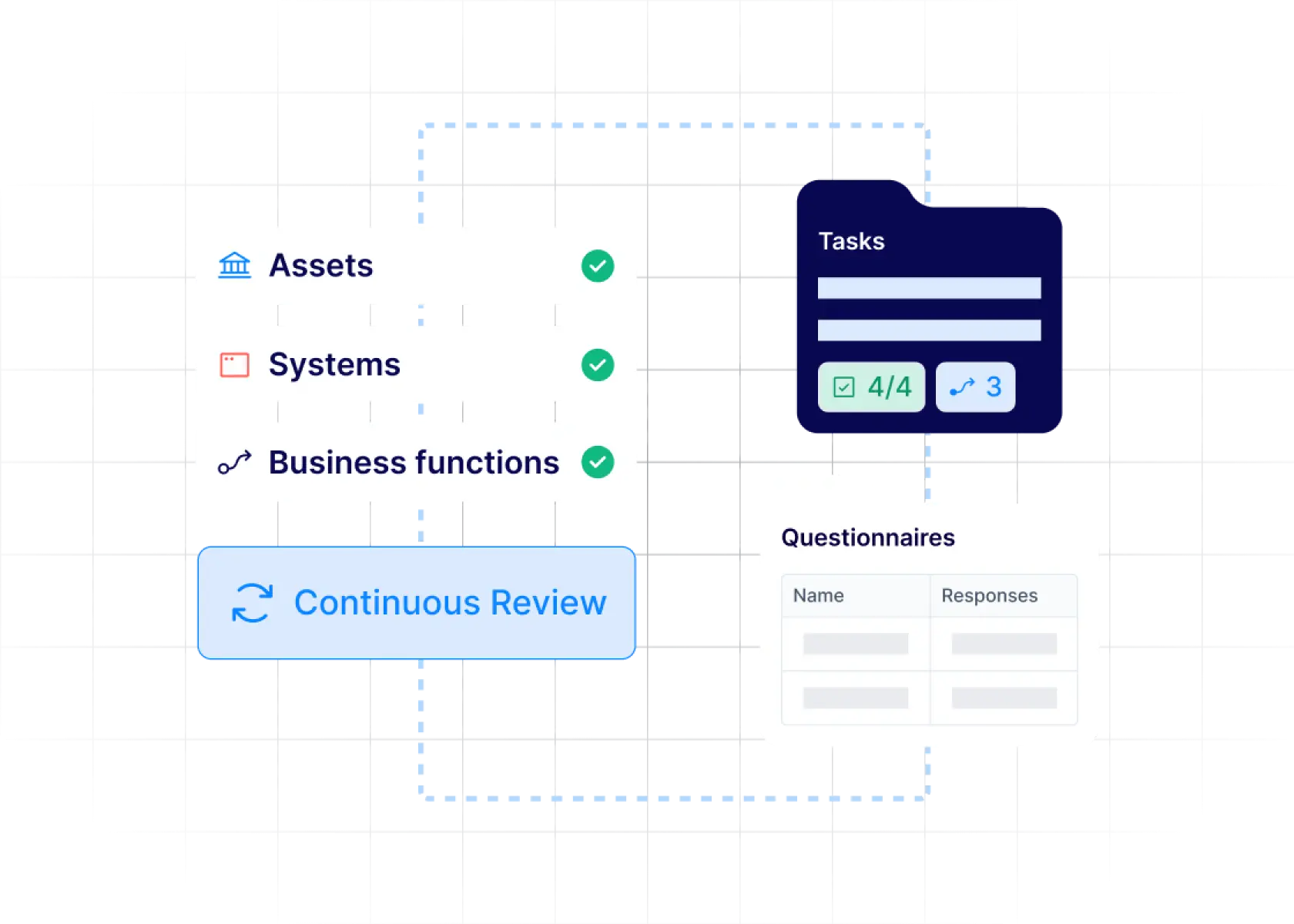
Frameworks
Regelgevende frameworks worden zelden geïsoleerd geïmplementeerd. Formalize's governance architectuur stelt organisaties in staat om meerdere governance frameworks met elkaar te verbinden en controles, risico's en bewijsmateriaal te hergebruiken. Dit vermindert dubbel werk en ondersteunt een uniforme governance aanpak.
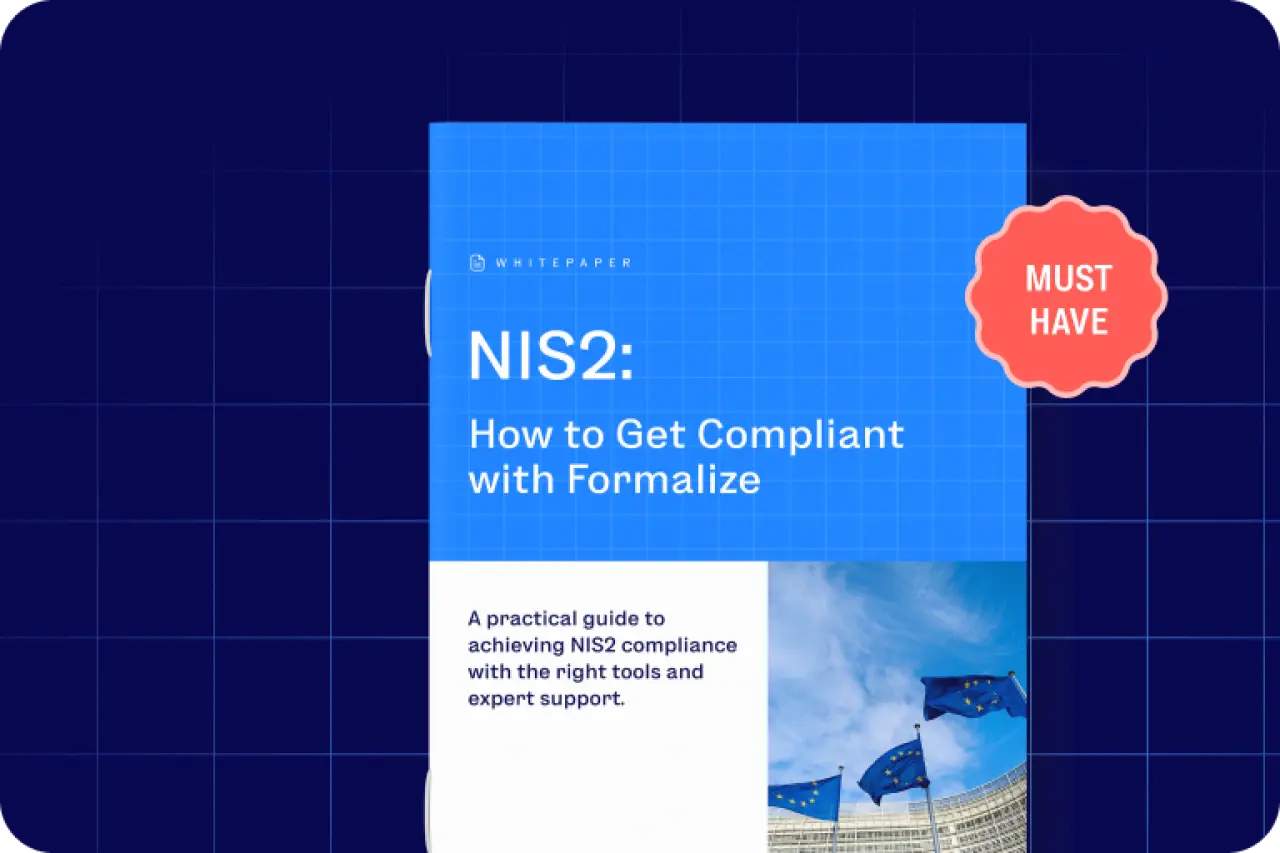
Versnel uw roadmap met professionele GRC-tools.
Van het meten van uw huidige volwassenheid tot het valideren van uw investering: gebruik onze interactieve hulpmiddelen om complexe regelgeving om te zetten in een duidelijke, uitvoerbare strategie.
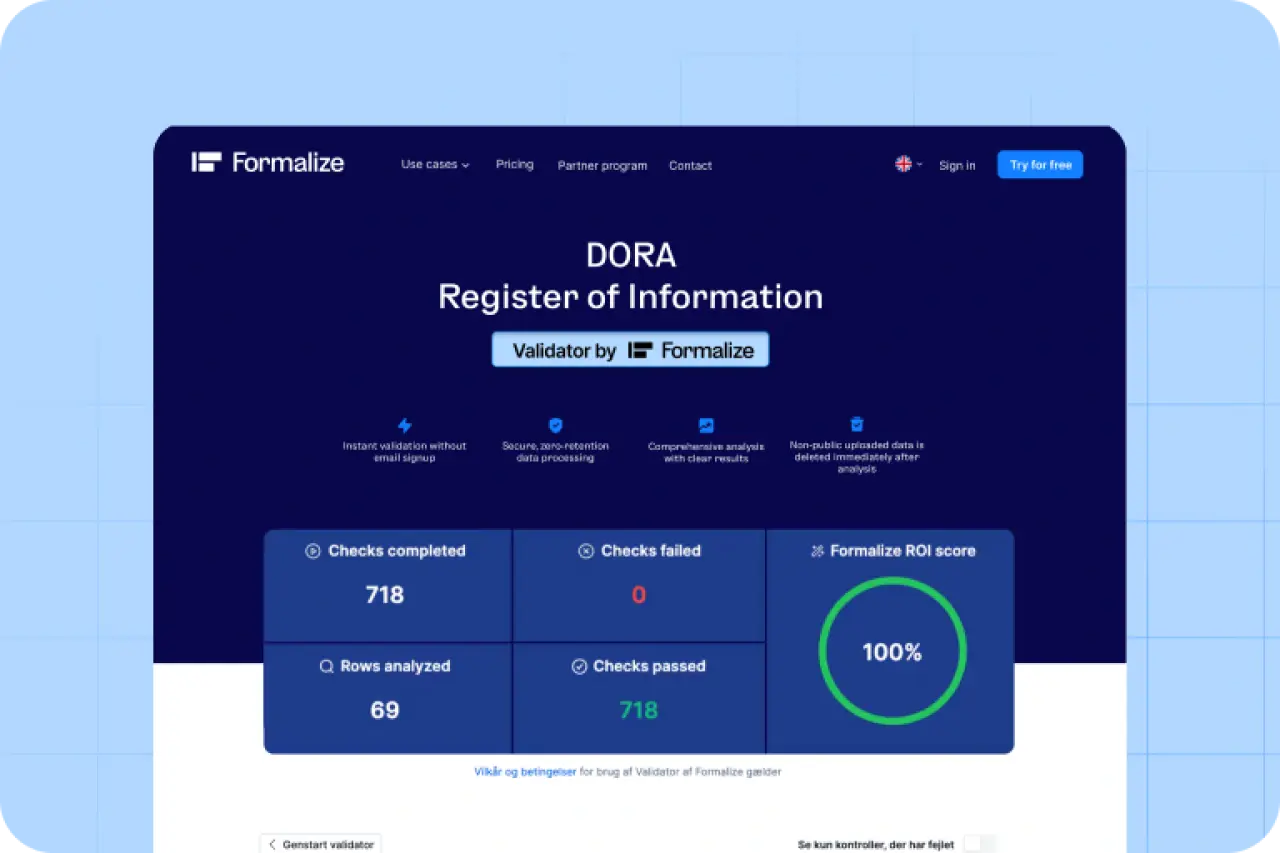
DORA ROI-validator
De validator is ontworpen om u te helpen bij het verifiëren en oplossen van problemen met uw volledige DORA Informatieregister-rapportage.
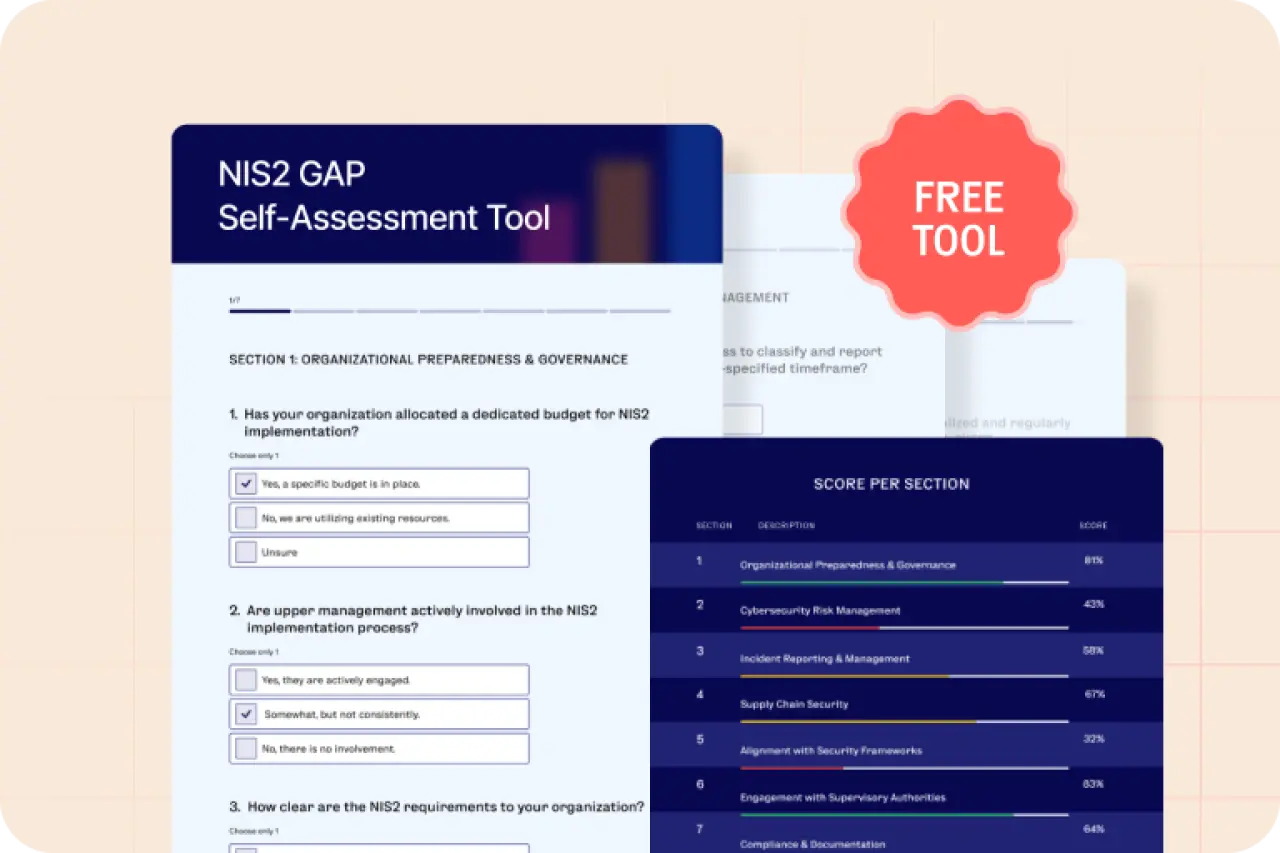
Hulpmiddel voor Compliance-zelfbeoordeling
Krijg een overzicht van uw sterke punten en risicogebieden met uitvoerbare volgende stappen om uw cyberbeveiliging te verbeteren.